The real causes of low stamina in men — why energy fades with age, and where Intimax fits
Flagging energy in men is rarely about one broken part — it is the combined effect of stress, thinning sleep, slowing circulation and the gradual shifts of age, each nudging stamina down a little at a time. Most of those drivers are inputs you can change. This guide unpacks the real causes of low stamina in men and shows where a daily routine like Intimax fits as one supporting layer.

Why do men lose energy and stamina with age?
- Short version
- Men lose energy and stamina with age because several systems drift at once: testosterone declines slowly from about age 30, nitric-oxide production and circulation weaken, muscle shrinks, and years of short sleep and stress compound. Because most “age-related” fatigue is really the sum of modifiable habits, improving sleep, movement, circulation and nutrition — with a daily anchor like Intimax — can steady it again.
- Age shifts — testosterone, nitric oxide and muscle slowly decline.
- Sleep debt — poor recovery blunts next-day stamina fastest.
- Stress & circulation — high cortisol and weaker blood flow drain energy.
- The fix is habit-led — Intimax supports the routine, it does not replace it.
What actually causes low stamina in men?
Low stamina in men is best understood as a systems problem rather than a single fault, because energy is sustained by several processes at once — circulation delivering oxygen, mitochondria turning fuel into energy, hormones setting the tempo of recovery, and sleep rebuilding the machinery each night. When three or four of those inputs slip together, stamina visibly fades — which is why chasing a single “cause” usually disappoints.
The table below lays out the drivers that show up most often in otherwise healthy men. Recognising which apply to you is the first practical step, because each has a matching lever — and persistent or sudden fatigue always deserves a conversation with your doctor.
| Driver | Why it drains energy | Everyday signs |
|---|---|---|
| Poor or short sleep | Blocks recovery, raises stress hormones | Groggy mornings, afternoon crashes |
| Chronic stress | Elevated cortisol works against repair | Wired-but-tired, poor focus |
| Weakening circulation | Less nitric oxide, slower oxygen delivery | Cold hands, slow warm-up, breathlessness |
| Declining testosterone | Lower drive, muscle and recovery | Reduced motivation and libido |
| Inactivity & poor nutrition | Deconditioning and missing fuel | Fatigue from light effort, cravings |
How does aging itself drain male energy?
Aging drains male energy mainly because the biological systems behind stamina decline slowly and simultaneously, not because any one fails. From roughly age 30, testosterone drifts down about one percent a year, taking some drive, muscle and recovery with it. The body also makes less nitric oxide, so oxygen delivery becomes less efficient, and muscle fibres and mitochondria thin out with disuse. A review in Expert Review of Endocrinology & Metabolism sets out the lifestyle, metabolic and medical causes behind adverse changes in men’s testosterone levels (Wrzosek et al., 2020).
Is low energy just a normal part of getting older?
Some decline in peak output is genuinely normal, but its size is far from fixed. Much of what men blame on age is really decades of accumulated sleep debt, inactivity, stress and thinning circulation — all of which respond to the same habits at 55 as at 35. Two men of the same age can sit at very different energy levels; the difference is rarely the calendar.
| Decade | Typical shift | Supportive focus |
|---|---|---|
| 30s | Testosterone begins slow decline; recovery still strong | Protect sleep, stay active early |
| 40s | Muscle and nitric oxide dip; first noticeable sag | Add resistance training, eat for circulation |
| 50s | Slower recovery, lower drive more apparent | Consistency, stress management, nutrients |
| 60s+ | Endurance and muscle need active maintenance | Daily movement, protein, medical check-ins |

Why does poor sleep sap stamina so quickly?
Poor sleep is often the fastest-acting cause of low stamina because it is when the body rebuilds the systems energy depends on. During deep sleep, muscle repairs, stress hormones reset and much of a man’s daily testosterone is produced — so a short night taxes drive, recovery and next-day endurance at once. Research consistently links curtailed sleep with lower energy, higher cortisol and reduced exercise capacity. Randomised studies of acute and chronic short sleep, published in Sleep Health, revisited the same question in young healthy males (Smith et al., 2019).
How much sleep do men actually need?
Most adults do best on seven to nine hours on a consistent schedule — a similar bedtime and wake time even on weekends. Wind down without screens for the last hour, keep the bedroom cool and dark, and finish caffeine by early afternoon. The workout is the stimulus; sleep is where the adaptation happens.
How do stress and cortisol drain everyday energy?
Chronic stress drains energy because it keeps the body in a state built for short emergencies, not daily life. When cortisol stays elevated for weeks, it works against the repair, relaxation and circulation that stamina relies on — the classic “wired but tired” feeling where you are exhausted yet cannot switch off. The antidote is genuine, repeated downtime: a daily walk, slow breathing, time outdoors, and firm boundaries around work and screens. Because stress, sleep and circulation are tightly linked, easing one usually helps the others — making stress management one of the highest-leverage, lowest-cost energy habits a man can build. There is more on how to build male stamina naturally in a dedicated article.

What role does circulation and nitric oxide play?
Circulation is central to stamina because every working muscle runs on oxygen and fuel carried in the blood, and weak flow leaves tissue short of both. The key player is nitric oxide, a short-lived molecule that signals blood-vessel walls to relax and widen. The body makes it from the amino acid L-arginine, while dietary nitrates from vegetables feed a second pathway. As men age, nitric-oxide output and vessel flexibility both decline — one reason warm-ups feel longer and endurance shorter. A review in Molecular Nutrition & Food Research connects the DASH dietary pattern and dietary nitrate to nitric oxide availability in older adults (Zhong et al., 2026).
The good news is that the inputs are ordinary: movement keeps vessels responsive, nitrate- and antioxidant-rich plants supply and protect the raw materials, and hydration keeps blood volume up. L-arginine and L-citrulline are the amino acids the body uses to make nitric oxide, though the human evidence for a performance boost is mixed. For more, see our guides on how to boost nitric oxide naturally and L-arginine and L-citrulline for men.
Give your energy routine a daily anchor
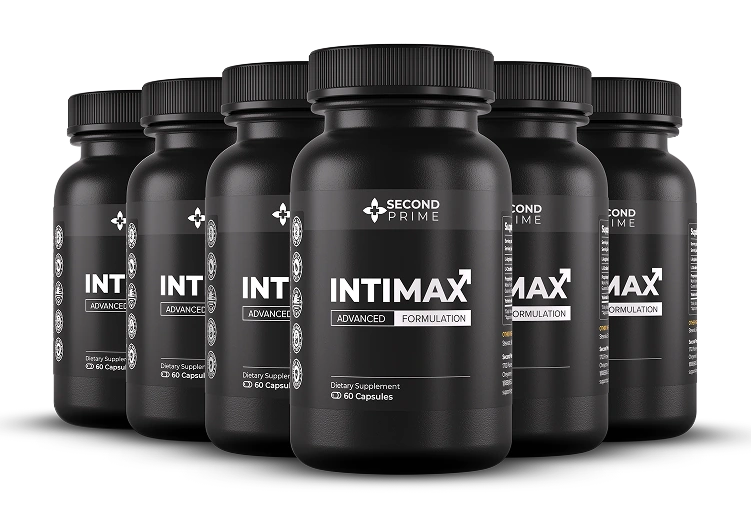
See the exact dose in Intimax: two capsules a day of L-arginine and L-citrulline plus traditional botanicals. The 6-bottle bundle is the best value, with free U.S. shipping and a 90-day money-back guarantee.
See packages & pricing →Can diet and inactivity cause low stamina?
Diet and inactivity are two of the most common — and most reversible — causes of low stamina in men, because they starve the body of both fuel and conditioning. A diet heavy in ultra-processed food and added sugar drives the energy swings that mimic fatigue, while whole foods supply the nitrates, antioxidants, omega-3s and protein that circulation, recovery and muscle run on. Inactivity compounds it: a deconditioned heart and shrinking muscle make even light effort feel hard.
What does a stamina-supporting week look like?
You do not need a punishing schedule. Aim for around 150 minutes of aerobic activity a week — brisk walking, cycling, swimming — plus two to three short resistance sessions to preserve muscle. On the plate, build around plants and protein, drink water before caffeine, and keep alcohol modest.
Where does a daily Intimax routine fit in?
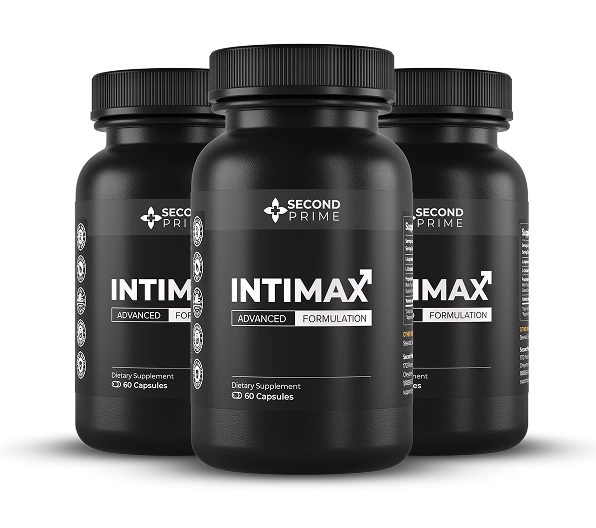
Intimax is a once-daily supplement designed to sit on top of good habits as a convenient anchor, not to replace the changes that address the root causes of low stamina. It supplies L-arginine (as AAKG) and L-citrulline — the nitric-oxide amino acids described above — plus botanicals long used for male vitality: maca, muira puama, catuaba, maritime pine bark, ginger and guarana. In a routine that already has sleep, movement and whole foods in place, that is a sensible top-off; on its own, it is not a shortcut. Read our full Intimax review for the ingredient breakdown, or check today’s Intimax pricing when you are ready.
How do you rebuild energy and stamina from here?
The most reliable way to rebuild energy is to fix the biggest inputs first and let the smaller ones compound: protect seven to nine hours of sleep, move most days, build plates around whole foods and water, carve out real downtime, and add nitric-oxide nutrients such as those in Intimax as a daily anchor. None is dramatic alone, but stacked over weeks they turn flagging energy back around. Give changes several weeks to a few months, and remember results vary with age, health and consistency. Persistent, worsening or sudden fatigue can signal an underlying condition — and if you take medication, especially nitrates or blood-pressure medication, talk with your doctor before adding any new supplement.
Frequently asked questions
What are the main causes of low stamina in men?
Low stamina in men is usually driven by a handful of overlapping factors rather than one cause: chronic stress and high cortisol, poor or short sleep, weakening circulation and nitric-oxide production, gradually declining testosterone with age, too little movement, and a diet low in the nutrients energy metabolism depends on. Most men have more than one at once.
Is low energy just a normal part of aging?
Some gradual decline in peak stamina with age is normal, but persistent fatigue is not something you simply have to accept. Much of what feels like aging is actually the accumulated effect of poor sleep, inactivity, stress and thinning circulation — all of which respond to everyday habits at any age.
At what age do men start to lose stamina?
Testosterone begins a slow decline of roughly one percent a year from around age 30, and nitric-oxide production and muscle mass tend to follow a similar gentle downward trend. Most men first notice the change in their 40s and 50s, though lifestyle can widen or narrow that gap considerably.
Can low stamina be reversed naturally?
Often, yes — to a meaningful degree. Because so much low stamina comes from modifiable inputs, improving sleep, moving most days, eating for circulation and managing stress can noticeably restore energy over weeks to months. Results vary with age, health and consistency, and a supplement can support the effort but not replace it.
Where does Intimax fit into fixing low stamina?
Intimax is a daily two-capsule supplement supplying the nitric-oxide amino acids L-arginine and L-citrulline plus traditional botanicals such as maca, muira puama and catuaba. It is designed to sit on top of good sleep, movement and nutrition as a convenient daily anchor, not to replace the habits that address the root causes.
Is low stamina a sign of a medical problem?
Sometimes. Persistent fatigue can point to conditions such as anemia, thyroid issues, sleep apnea, depression or low testosterone, so ongoing or sudden low energy is worth discussing with a doctor. Intimax is a dietary supplement and is not intended to diagnose, treat, cure or prevent any medical condition.
References
- Wrzosek M, Woźniak J, et al. The causes of adverse changes of testosterone levels in men. Expert Rev Endocrinol Metab. 2020;15(5):355–362. PMID 33076711
- Smith I, Salazar I, et al. Sleep restriction and testosterone concentrations in young healthy males: randomized controlled studies of acute and chronic short sleep. Sleep Health. 2019;5(6):580–586. PMID 31416797
- Zhong R, Guo Y, et al. DASH diet, dietary nitrate, and nitric oxide bioavailability: implications for endothelial dysfunction and hypertension in older adults. Mol Nutr Food Res. 2026. PMID 42563436
- Mayo Clinic. Fatigue — Causes. mayoclinic.org
- National Heart, Lung, and Blood Institute (NIH). Sleep Deprivation and Deficiency. nhlbi.nih.gov/health/sleep-deprivation
- National Institute on Aging (NIH). Exercise and Physical Activity. nia.nih.gov/health/exercise-physical-activity
- Examine.com. L-Citrulline — evidence-based summary. examine.com/supplements/citrulline
- Examine.com. L-Arginine — evidence-based summary. examine.com/supplements/arginine
- Adhikari H, Patel P, Javvaji N, et al. Declining nitric oxide bioavailability in cardiovascular aging: mechanistic insights and emerging interventions. J Cardiovasc Aging. 2025;5(4). Adhikari et al., J Cardiovasc Aging, 2025
This article is for general education and is not medical advice. Intimax is a dietary supplement and is not intended to diagnose, treat, cure or prevent any disease. Statements have not been evaluated by the Food and Drug Administration. Consult a qualified healthcare professional about your individual needs.