Does maca really work for men? An Intimax fact-check
Maca is a Peruvian root that has been eaten and traded in the high Andes for centuries, and it now sells worldwide on the promise of libido, energy and drive. But tradition and evidence are not the same thing. This fact-check separates the folklore from what the controlled studies actually found for men, flags where the science is thin, and explains exactly how Intimax uses maca — as one supporting botanical, never as a miracle cure.

Does maca work for men? An honest, evidence-first summary.
- Short version
- Maca has modest but genuine evidence for improving self-rated libido in men after six to twelve weeks of daily use, while its effect on testosterone, erections and mood is weaker and less consistent. It is a gentle, food-like botanical — a reasonable support ingredient, not a guaranteed fix. Intimax includes maca as one part of a broader vitality blend, without overclaiming.
- Best-supported use: a small lift in sexual desire, seen in several randomized trials.
- Weakly supported: testosterone, erectile function and fertility outcomes.
- Typical dose: 1,500–3,000 mg of dried root or extract per day.
- Timeline: weeks, not hours — consistency matters more than dose.
What is maca, and why do men take it?
Maca (Lepidium meyenii) is a cruciferous root vegetable grown above 4,000 metres in the Peruvian Andes, related to radish and turnip and eaten as food for generations. For men it is marketed mainly as a natural way to support libido, stamina and energy, and that reputation comes largely from centuries of traditional use rather than from a single decisive study. Understanding where the folklore ends and the data begins is the whole point of this fact-check. A pilot study in the Journal of Ethnopharmacology looked at maca supplementation, physical activity and sexual desire in sportsmen (Stone et al., 2009).
Part of maca’s appeal is that it is a whole food rather than an isolated drug-like compound. It comes in several colours — yellow, red and black — and is usually sold as a dried powder or a concentrated extract. Because it has been eaten safely for so long, it carries a low-risk reputation.

Where did maca’s reputation come from?
Maca’s reputation is rooted in Andean tradition, where it was valued as a food for stamina and fertility long before modern trials existed. That heritage is real and worth respecting, but it is not the same as proof. Traditional use tells us maca is broadly safe and has been valued for vitality; it does not, on its own, tell us how strong or reliable any specific benefit is. For that we need controlled research — which is where the picture becomes more nuanced.
Does maca work for men? What the research actually shows
The honest answer is: partly, and mostly for libido. The strongest signal in the human research is a modest improvement in self-reported sexual desire, while claims about hormones and erections are far shakier. Below is what the better-quality studies have and have not found.
Does maca boost libido?
This is maca’s best-supported use. Several small randomized, placebo-controlled trials in men have reported an increase in self-rated sexual desire after six to twelve weeks of daily maca, independent of mood or hormone changes. A frequently cited review by the University of York found the trials suggestive but limited by small sample sizes and short durations. So the effect looks real but modest — a gentle nudge, not a switch. A systematic review in BMC Complementary and Alternative Medicine found only four randomised trials of maca for sexual function, with mixed results, and concluded the number of trials, the sample sizes and the methodological quality were all too limited to draw firm conclusions (Shin et al., 2010).
Does maca increase testosterone or improve erections?
Here the evidence largely falls short. Most controlled studies have found no meaningful change in testosterone, luteinizing hormone or other reproductive hormones in men taking maca, which means any libido benefit is working through some other pathway. Evidence for firmer erections is thin and inconsistent, so maca should never be sold as an erectile-dysfunction remedy or a testosterone booster. Honest labelling matters here. In a 12-week double-blind, placebo-controlled trial in Andrologia, men taking maca reported improved sexual desire from week eight, with no difference in serum testosterone between the maca and placebo groups (Gonzales et al., 2002).
Does maca help energy, stamina and mood?
Signals exist, but they are preliminary. Some small studies report improvements in energy, exercise performance and mood — including reduced anxiety and better wellbeing in specific groups — but the trials are few, small and varied in design. It is fair to say maca may support energy and mood for some men; it is not fair to promise it will.
| Claimed benefit | Strength of evidence | What the studies suggest |
|---|---|---|
| Libido / sexual desire | Modest, most consistent | Small RCTs show a real but limited lift after 6–12 weeks |
| Energy & stamina | Preliminary | A few small studies are positive; more research needed |
| Mood & wellbeing | Preliminary | Some benefit reported in specific groups; not conclusive |
| Testosterone / hormones | Weak / mostly null | Most trials show no meaningful hormone change |
| Erectile function | Very limited | Insufficient evidence; not a treatment for ED |
| Sperm quality / fertility | Early, mixed | Some small studies positive; too few to be sure |
Where is the maca evidence weakest?
The biggest limitation is the quality and size of the studies themselves. Most maca trials involve small numbers of participants, run for only a few weeks or months, and use different forms and doses of maca, which makes results hard to pool or compare. Several were funded or conducted by parties with a commercial interest, and long-term data in men is scarce. None of this means maca is useless — it means we should read the marketing with a sceptical eye and treat bold promises as unproven until larger, independent trials confirm them.
For context on how a single ingredient fits into a bigger picture, see our companion guide on maca, muira puama and catuaba for male vitality, and our direct comparison of maca versus ginseng.
How much maca should a man take, and for how long?
Most human studies used between 1,500 and 3,000 mg of dried maca root or a concentrated extract per day, taken consistently. Maca is a build-up botanical rather than an on-demand one: the trials that reported a libido benefit measured it after weeks of daily use, so patience and consistency matter more than a large single dose. The table below summarises the ranges used in research.
| Factor | Typical range in studies | Practical note |
|---|---|---|
| Daily dose | 1,500–3,000 mg | Start at the lower end and stay consistent |
| Form | Dried powder or extract | Extracts are more concentrated per capsule |
| Timeline | 6–12 weeks | Judge the effect after weeks, not days |
| Timing | With food | Easier on digestion; pick a time you’ll remember |
Because commercial products vary so much in strength, the amount of maca actually delivered per serving matters far more than the promises on the label. That is one reason to read the supplement facts panel carefully.
See the exact dose in Intimax
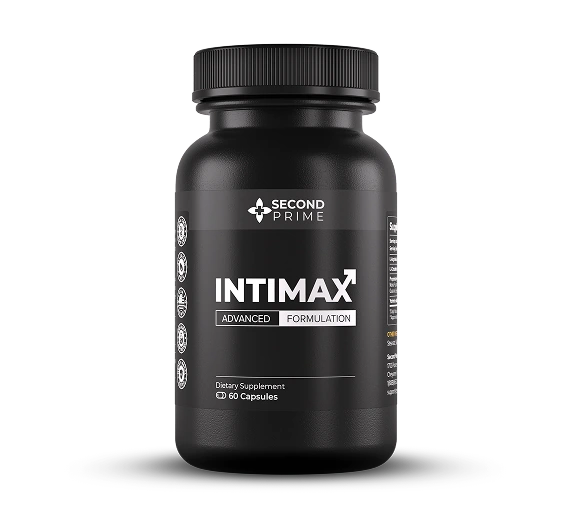
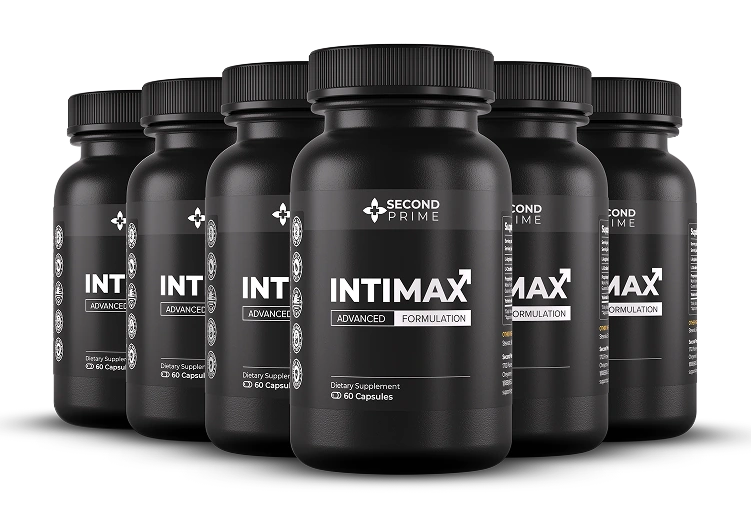
Intimax combines maca with other traditional botanicals and the nitric-oxide amino acids L-arginine and L-citrulline in a simple two-capsule daily serving. Check the label and today’s Intimax pricing — the 6-bottle bundle is the best value, with free U.S. shipping and a 90-day money-back guarantee.
Check today’s Intimax pricing →How does Intimax use maca — without overclaiming?
Intimax treats maca as one supporting botanical, not as the headline cure. Rather than betting everything on a single root, Intimax blends maca with muira puama, catuaba, maritime pine bark, ginger and guarana, and pairs those traditional ingredients with L-arginine (as AAKG) and L-citrulline — the amino acids the body uses to make nitric oxide. The idea is layered support for everyday vitality, not an overhyped promise resting on one ingredient. For the practical side of this, see our guide to whether nitric oxide supplements actually work.
Just as importantly, Intimax describes maca honestly. You will not see it marketed as a testosterone booster or an ED treatment, because the evidence does not support those claims. It is presented as a dietary supplement to support circulation, stamina and everyday drive alongside a healthy lifestyle — which is exactly what the research warrants and nothing more.

Who might consider maca — and who should be cautious?
Maca is a food-grade root that most healthy adults tolerate well, which makes it a low-risk option to try. Reported side effects in studies are mild and uncommon, such as occasional digestive upset. Men curious about a gentle, natural nudge for libido and everyday energy are the most reasonable candidates — provided they keep expectations realistic and give it several weeks.
Caution still applies. If you take medication, manage a thyroid or hormone-sensitive condition, or have any ongoing health concern, talk with your doctor before adding maca or any supplement. Maca is not a substitute for medical care, and no botanical replaces the fundamentals of sleep, movement and a whole-food diet. For a broader routine, see our guide on building male stamina naturally.
The verdict: does maca work for men?
Maca works for men in a modest, specific way: the best evidence points to a small, real improvement in libido with consistent daily use, while claims about testosterone, erections and fertility remain unproven. Treated as a gentle support botanical rather than a magic bullet, maca earns its place — and that is precisely how Intimax uses it, in a transparent blend that respects both the tradition and the limits of the science.
Frequently asked questions
Does maca really work for men?
For libido, the evidence is modest but real: several small randomized trials report improved self-rated sexual desire in men after six to twelve weeks of maca. For hormones, testosterone and erectile function, results are weaker and inconsistent. Maca is best seen as a gentle, food-like botanical rather than a guaranteed fix.
How long does maca take to work?
In the trials that reported a libido benefit, effects were measured after six to twelve weeks of daily use, not overnight. Maca is a build-up botanical taken consistently, and individual results vary with dose, age and starting point.
Does maca raise testosterone?
Most controlled studies in men have not shown a meaningful change in testosterone or other reproductive hormones from maca. Any libido effect appears to work through pathways other than raising testosterone, which is why honest sellers do not market it as a testosterone booster.
How much maca should a man take?
Most human studies used 1,500 to 3,000 mg of dried maca root or a concentrated extract per day. Start at the lower end, take it consistently with food, and give it several weeks before judging the effect.
Is maca safe for men?
Maca is a root vegetable eaten as food in Peru and is generally well tolerated in studies, with mild effects such as digestive upset reported occasionally. If you take medication or have a medical condition, talk to your doctor before adding it.
How does Intimax use maca?
Intimax includes maca as one botanical in a broader blend alongside the nitric-oxide amino acids L-arginine and L-citrulline. It is presented as a support ingredient for everyday vitality, not as a drug, and Intimax makes no claim to treat any condition.
References
- Stone M, Ibarra A, Roller M, et al. A pilot investigation into the effect of maca supplementation on physical activity and sexual desire in sportsmen. J Ethnopharmacol. 2009;126(3):574–576. PMID 19781622
- National Center for Complementary and Integrative Health (NCCIH). “Maca” herbs at a glance. nccih.nih.gov/health/herbsataglance
- Shin BC, et al. Maca (L. meyenii) for improving sexual function: a systematic review. PubMed. pubmed.ncbi.nlm.nih.gov/20691074
- Gonzales GF, et al. Effect of Lepidium meyenii (maca) on sexual desire in men. PubMed. pubmed.ncbi.nlm.nih.gov/12472620
- Examine.com. Maca — evidence-based summary. examine.com/supplements/maca
- Zenico T, Cicero AF, Valmorri L, et al. Subjective effects of Lepidium meyenii (Maca) extract on well-being and sexual performances in patients with mild erectile dysfunction: a randomised, double-blind clinical trial. Andrologia. 2009;41(2):95–99. Zenico et al., Andrologia, 2009
This article is for general education and is not medical advice. Intimax is a dietary supplement and is not intended to diagnose, treat, cure or prevent any disease. Statements have not been evaluated by the Food and Drug Administration. Consult a qualified healthcare professional about your individual needs.