Maca, muira puama and catuaba: the traditional botanicals in Intimax
Long before amino acids and nitric oxide entered the conversation, cultures across the Andes and the Amazon reached for specific plants to support male stamina and vitality. Three of them — maca, muira puama and catuaba — sit in the Intimax botanical blend. This guide looks at where they come from, how they’ve traditionally been used, and what modern research does and doesn’t say.
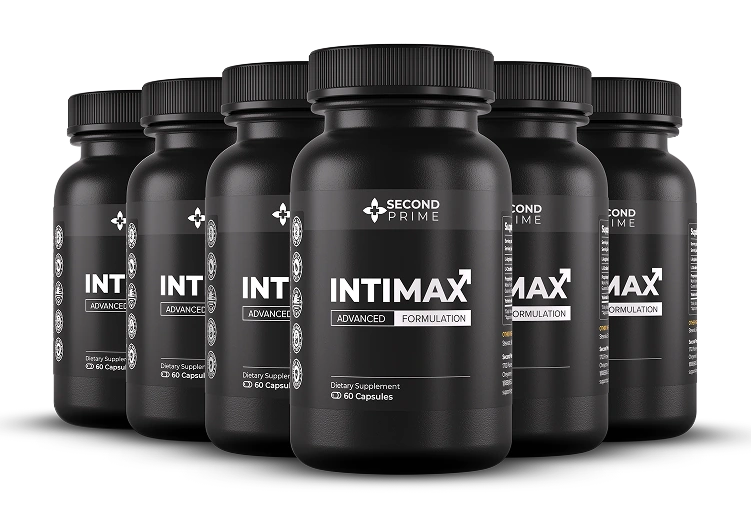
Everything you need in one quotable paragraph.
- Short version
- Maca is a Peruvian root traditionally used for stamina and libido, muira puama is an Amazonian “potency wood” used as a male tonic, and catuaba is a Brazilian bark used as an energizing tonic. Intimax combines all three with amino acids to support everyday vitality — described by traditional use, not as a treatment.
Maca: the root from the high Andes
Maca (Lepidium meyenii) grows above 4,000 metres in the Peruvian Andes, one of the few food crops that thrives in that harsh, high-altitude environment. Local communities have cultivated and eaten it for centuries, both as a staple food and as a traditional tonic for energy, stamina and libido. Of the three botanicals here, maca has the largest body of modern research, and it’s a familiar name in vitality and energy formulas worldwide. A review in Forschende Komplementärmedizin traces maca from Andean tradition into the modern research literature (Gonzales et al., 2009).
In practical terms, maca is prized for being food-like and well tolerated. It doesn’t act like a stimulant; instead it’s used in the adaptogenic tradition — a plant taken consistently to support overall resilience and everyday drive. We look at what the maca research really shows for men more closely in a separate guide.
Muira puama: the Amazonian “potency wood”
Muira puama (Ptychopetalum olacoides) is a small tree from the Brazilian Amazon. Its bark and root have a long history in traditional Brazilian herbalism, where the plant earned the nickname “potency wood” for its use as a tonic for male vitality, stamina and drive. Compared with maca, its modern research base is smaller, and its reputation rests more heavily on that traditional record — which is exactly how Intimax describes it. Analytical work in Natural Product Research catalogued the chemical constituents of Ptychopetalum olacoides, the plant sold as muira puama (Tian et al., 2018).

Catuaba: the Brazilian energizing bark
Catuaba refers to the bark of several trees native to Brazil, and it’s one of the best-known botanicals in South American folk wellness. Traditionally it’s brewed and taken as an energizing tonic linked to drive and everyday resilience. Like muira puama, it’s a plant whose story is mostly one of long, continuous traditional use, and it pairs naturally with the other botanicals in a vitality blend. A review in the Journal of Ethnopharmacology surveys the traditional use of native Brazilian plants in men’s health, alongside the animal-model work and proposed mechanisms behind them (Teixeira et al., 2024).
The three at a glance
| Botanical | Origin | Traditional use |
|---|---|---|
| Maca root | Peruvian Andes | Stamina, energy, libido |
| Muira puama | Brazilian Amazon | Male vitality tonic |
| Catuaba bark | Brazil | Energizing tonic |
How the blend fits together
No single plant carries the formula. The idea behind the Intimax blend is layering: the amino acids L-arginine and L-citrulline supply the nitric-oxide angle, maritime pine bark adds antioxidant support, ginger brings a warming circulation tradition, guarana contributes natural energy, and maca, muira puama and catuaba bring the traditional male-vitality character. The table below shows the supporting cast alongside the three headline herbs. There is more on ginger root and circulation in men in a dedicated article.
| Supporting ingredient | Role in the blend |
|---|---|
| Maritime pine bark | Antioxidant, circulation support |
| Ginger root | Warming circulation herb |
| Guarana seed | Natural energizer |
| L-arginine & L-citrulline | Nitric-oxide amino acids |
For the lifestyle foundation these ingredients build on, see how to support healthy blood flow and stamina naturally. And if you’d like to try the blend, you can order Intimax here.
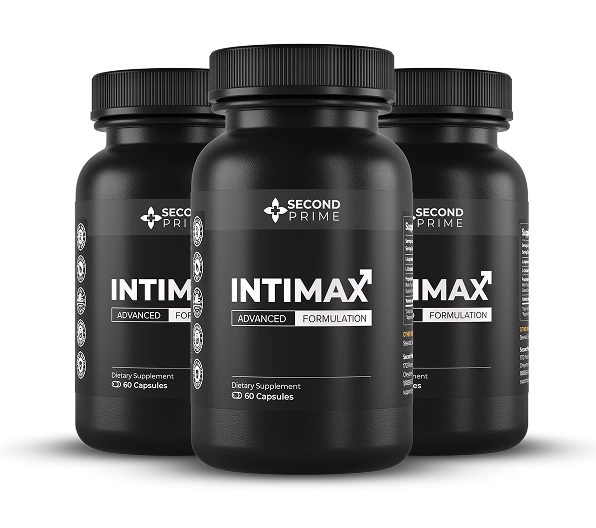
Traditional botanicals, modern formula
Maca, muira puama and catuaba with nitric-oxide amino acids, in two daily capsules. The 6-bottle bundle is the best value — free U.S. shipping and a 90-day money-back guarantee.
See packages & pricing →
A note on traditional use and evidence
Traditional use is a meaningful starting point, but it isn’t the same as clinical proof. Maca has the most published study behind it; muira puama and catuaba have far less, and much of what’s written about them describes centuries of folk use rather than controlled trials. That’s why Intimax speaks about these plants in terms of tradition and general wellness, and makes no claim that they treat any condition. If you’re curious, the references below are good, independent places to read more, and a healthcare professional can help you weigh them against your own situation.
Frequently asked questions
What is maca and how is it used?
Maca is a root vegetable from the high Andes of Peru, traditionally eaten as food and used to support stamina, energy and libido. It is one of the most studied botanicals for everyday vitality.
What is muira puama?
Muira puama, sometimes called potency wood, is an Amazonian shrub whose bark and root have long been used in traditional Brazilian herbalism as a tonic for male vitality and stamina.
What is catuaba?
Catuaba is the bark of several Brazilian trees, used for generations in traditional South American wellness as an energizing tonic associated with drive and everyday resilience.
Do these botanicals have modern research behind them?
Maca has the most published research of the three, while muira puama and catuaba rest more on long traditional use with a smaller body of modern study. Intimax describes them in terms of that traditional use rather than making medical claims.
How does Intimax use these herbs?
Intimax layers maca, muira puama and catuaba, plus maritime pine bark, ginger and guarana, on top of the amino acids L-arginine and L-citrulline, so the botanical and nitric-oxide angles work side by side.
Are these herbs a treatment for any condition?
No. These botanicals are described by their traditional and general use. Intimax is a dietary supplement and is not intended to diagnose, treat, cure or prevent any disease.
References
- Gonzales GF, Gonzales C, Gonzales-Castañeda C. Lepidium meyenii (Maca): a plant from the highlands of Peru – from tradition to science. Forsch Komplementmed. 2009;16(6):373–380. PMID 20090350
- Tian X, Guo S, et al. Qualitative and quantitative analysis of chemical constituents of Ptychopetalum olacoides Benth. Nat Prod Res. 2018;32(3):354–358. PMID 28750557
- Teixeira TM, Boeff DD, et al. The traditional use of native Brazilian plants for male sexual dysfunction: evidence from ethnomedicinal applications, animal models, and possible mechanisms of action. J Ethnopharmacol. 2024;318:117045. PMID 37437795
- Examine.com. Maca (Lepidium meyenii). examine.com/supplements/maca
- Siqueira IR, Fochesatto C, da Silva AL, et al. Ptychopetalum olacoides, a traditional Amazonian “nerve tonic”, possesses anticholinesterase activity. Pharmacol Biochem Behav. 2003;75(3):645–650. Siqueira et al., Pharmacol Biochem Behav, 2003
- Martins NO, de Brito IM, Araújo SSO, et al. Antioxidant, anticholinesterase and antifatigue effects of Trichilia catigua (catuaba). BMC Complement Altern Med. 2018;18(1):172. Martins et al., BMC Complement Altern Med, 2018
- National Center for Complementary and Integrative Health (NCCIH). Herbs at a Glance. nccih.nih.gov/health/herbsataglance
This article is for general education and is not medical advice. Intimax is a dietary supplement and is not intended to diagnose, treat, cure or prevent any disease. Statements have not been evaluated by the Food and Drug Administration. Consult a qualified healthcare professional about your individual needs.