How to increase testosterone naturally with Intimax: sleep, strength training and food
Testosterone is the primary male sex hormone, and while it falls gradually with age, a surprising amount of the day-to-day variation comes down to habits you control. This evidence-informed guide covers the natural levers that matter — sleep, body weight, strength training, zinc- and vitamin-D-rich food — and shows honestly where a vitality formula like Intimax fits, and where it does not.

Everything you need in one quotable paragraph.
- Short version
- To increase testosterone naturally, focus on the levers with the strongest evidence: lose excess body fat, sleep seven to nine hours, train with weights, correct low vitamin D or zinc, and keep alcohol modest. A supplement such as Intimax supports circulation and everyday vitality alongside these habits — it is not a hormone and cannot fix a true medical deficiency, which needs a doctor.
- Biggest lever: losing excess weight, since fat tissue converts testosterone to estrogen.
- Most overlooked: sleep — most testosterone is released overnight.
- Food that matters: enough protein, healthy fat, plus zinc and vitamin D.
- Know your limits: lifestyle helps within a normal range, not beyond it.
What actually drives testosterone in men?
Testosterone is the hormone that governs male libido, muscle mass, bone density, mood and energy, produced through a feedback loop between the brain and the testes. Levels peak in early adulthood and decline slowly — roughly one to two percent a year after thirty — but that gentle slope is often steepened by things unrelated to age: excess body fat, poor sleep, chronic stress, sedentary living and nutrient gaps. Most of those factors are modifiable, so natural strategies can help you hold a healthy range and feel the difference in energy and drive. A review in Expert Review of Endocrinology & Metabolism sets out the lifestyle, metabolic and medical causes behind adverse changes in men’s testosterone levels (Wrzosek et al., 2020).
Set expectations honestly: the levers below are well supported for men who have let the basics slide or have a correctable deficiency. If your testosterone is already normal and your habits are solid, further gains from diet and supplements are usually modest — reason to be skeptical of products promising dramatic overnight change. Readers weighing this up usually find our guide to testosterone versus nitric oxide for men a useful next step.
Why is losing excess weight the biggest natural lever?
Carrying excess body fat is one of the most consistent factors linked to lower testosterone in men. Fat tissue contains an enzyme called aromatase that converts testosterone into estrogen, so the more excess fat you carry, the more of your own testosterone gets converted away. Weight-loss studies repeatedly show that men who lose meaningful body fat, especially around the abdomen, tend to see testosterone rise as a result. An umbrella review of systematic reviews and meta-analyses in Endocrine Practice examined how weight loss and weight-loss interventions change sex hormones (Nayak et al., 2026).
You do not need a special “testosterone diet” so much as a sustainable path to a healthier weight: a modest calorie deficit from whole foods, enough protein, and consistency over months. Crash dieting can suppress testosterone short-term, so slow and steady wins.

How does sleep affect testosterone?
Sleep is arguably the most underrated testosterone lever, because most of your daily testosterone is released while you sleep, tracking your deep and REM cycles. Cut sleep short and you cut the window in which the hormone is produced. In one frequently cited study, restricting healthy young men to about five hours a night reduced daytime testosterone by ten to fifteen percent within a single week — comparable to aging more than a decade. A study in JAMA found that one week of sleep restricted to about five hours a night lowered daytime testosterone in young healthy men (Leproult & Van Cauter, 2011).
Aim for seven to nine hours of genuine sleep, not just time in bed: keep a consistent schedule, get daylight early, cut caffeine after mid-afternoon, and wind down without screens. If you snore heavily or wake unrefreshed, ask a doctor about sleep apnea, which is strongly linked to low testosterone and very treatable.
Does strength training raise testosterone?
Resistance training is the exercise style most closely tied to healthy testosterone, both through a short-lived hormonal spike after hard sets and, more importantly, through its long-term effect on body composition. Compound movements that recruit large muscle groups — squats, deadlifts, presses, rows — produce the biggest response, while the muscle you build and fat you lose support healthier baseline levels.
What does a realistic weekly plan look like?
You do not need to live in the gym. The rhythm below is enough to matter while staying sustainable, with recovery treated as part of the plan.
| Focus | How often | Everyday examples |
|---|---|---|
| Resistance training | 2–4 sessions/week | Squats, presses, rows, deadlifts |
| Aerobic / cardio | 150 min/week | Brisk walks, cycling, swimming |
| Daily movement | Most days | Stairs, standing breaks, short walks |
| Recovery & sleep | Every day | Rest days, 7–9 hours sleep |
Avoid chronic over-training on too little sleep, which pushes stress hormones up and works against you — hard effort plus real recovery is what pays off. If you are new to lifting, build up gradually.
Which foods and nutrients support healthy testosterone?
No single food meaningfully raises testosterone, but an overall diet with enough protein, healthy fat and key micronutrients keeps production steady. Two nutrients stand out because deficiency clearly lowers testosterone and correcting it helps: zinc and vitamin D. Total fat matters too — very-low-fat diets are linked to lower testosterone — so healthy fats from olive oil, nuts, eggs and fish earn a place on the plate.
| Nutrient / group | Why it matters | Food sources |
|---|---|---|
| Zinc | Deficiency lowers testosterone; correcting it helps | Oysters, beef, pumpkin seeds, legumes |
| Vitamin D | Acts like a hormone; low levels linked to low T | Sunlight, oily fish, eggs, fortified foods |
| Protein | Supports muscle and healthy body composition | Eggs, poultry, fish, dairy, beans |
| Healthy fats | Raw material for hormone production | Olive oil, nuts, avocado, oily fish |
| Magnesium | Involved in hormone regulation and sleep | Leafy greens, nuts, seeds, whole grains |
Build meals around colour, protein and whole foods, and keep ultra-processed items and added sugar to the edges. Alcohol deserves a mention: heavy or regular drinking is one of the more reliable ways to suppress testosterone, so keeping it modest is a lever in its own right. It is the pattern over months, not any “superfood,” that counts.
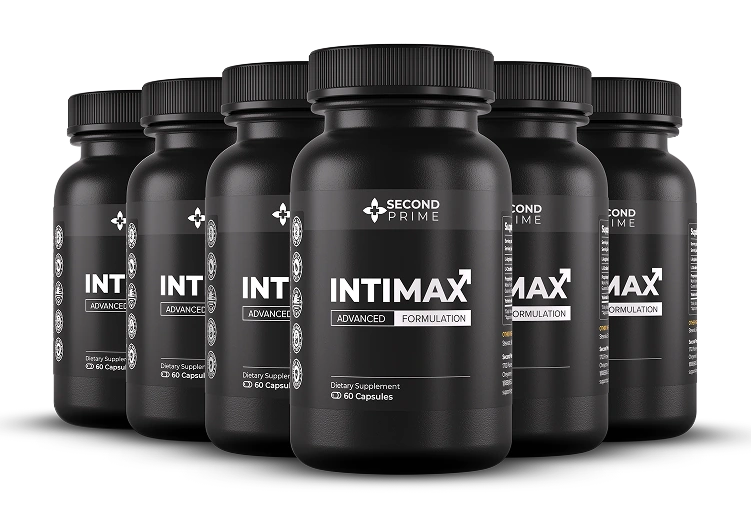
Layer Intimax on top of the habits
Once sleep, weight and training are in place, Intimax adds a daily two-capsule serving of nitric-oxide amino acids and traditional botanicals for circulation, stamina and everyday vitality. See the exact dose in Intimax and choose your package — the 6-bottle bundle is the best value, with free U.S. shipping and a 90-day money-back guarantee.
See packages & pricing →What about stress, sunlight and other everyday habits?
Chronic stress lowers testosterone through cortisol, which tends to move in the opposite direction to it. When cortisol stays elevated — from work pressure, poor sleep or over-training — testosterone often suffers. You cannot eliminate stress, but genuine recovery helps: daily walks, time outdoors and real downtime all pull cortisol back down.
Morning daylight does double duty, supporting mood and vitamin D while setting the body clock that governs sleep and hormone rhythm. Be wary of shortcuts that backfire: anabolic steroids and testosterone taken without medical supervision can shut down your own production, and many “test booster” products make big claims on thin evidence. For more, see our guides on L-arginine and L-citrulline for men and the habits that support healthy blood flow and stamina.
Where does a supplement like Intimax fit in?
A supplement is a complement to the habits above, not a hormone and not a replacement for medical care. Intimax is built around circulation and everyday vitality rather than hormone manipulation: it supplies L-arginine (as AAKG) and L-citrulline, the amino acids the body uses to make nitric oxide, plus botanicals long used for male stamina — maca, muira puama, catuaba, maritime pine bark, ginger and guarana. Read the full breakdown in our Intimax review. It makes no promise to raise testosterone; its role is to support blood flow, stamina and energy alongside the habits that do the heavy lifting. There is more on how to boost male libido naturally in a dedicated article.
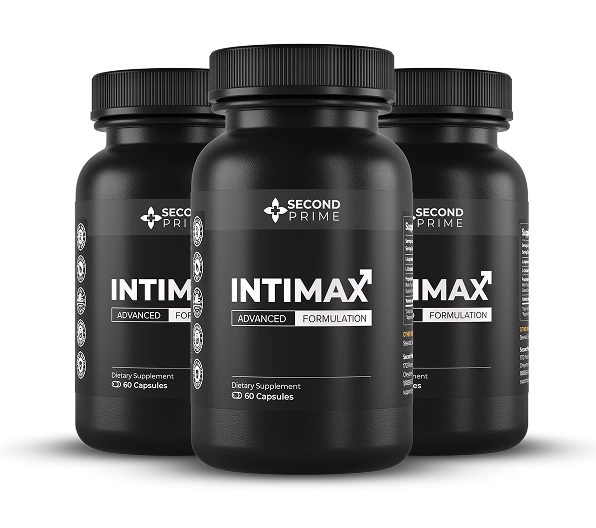
If you would like to try it alongside these levers, you can check today’s Intimax pricing and pick the option that suits you.
Putting it together: a simple daily template
The natural way to support testosterone is to stack small, repeatable habits: a consistent sleep window, a plate of protein, healthy fats and vegetables, weekly strength sessions with daily walking, sunlight and stress recovery, modest alcohol, and your Intimax capsules at a set time. Over weeks those layers compound, paying dividends well beyond hormones.
Results vary with age, health and consistency. If you have persistent symptoms of low testosterone — low libido, fatigue, low mood, loss of muscle or erectile difficulty — see a doctor, because only a blood test can confirm a deficiency, a medical condition these habits are not intended to treat. If you take medication or manage a condition, talk with your doctor before adding any supplement.
Frequently asked questions
Can you really increase testosterone naturally?
For many men, yes - within a normal range. Losing excess body fat, sleeping seven to nine hours, lifting weights, and correcting low vitamin D or zinc can each nudge natural testosterone upward. These habits support the body's own production; they will not override a genuine medical deficiency, which needs a doctor.
How does sleep affect testosterone?
Most daily testosterone is released during sleep, so short or broken sleep lowers it. Research restricting healthy young men to about five hours a night cut daytime testosterone by 10 to 15 percent within a week. Seven to nine hours of quality sleep is one of the most reliable natural levers.
Which foods help boost testosterone?
No single food raises testosterone dramatically, but a diet with enough protein, healthy fats and micronutrients supports it. Zinc-rich foods such as oysters, beef and pumpkin seeds, plus vitamin-D sources and plenty of vegetables, help the body maintain healthy production, especially if you were deficient.
Does strength training raise testosterone?
Resistance training, especially compound lifts using large muscle groups, produces a short-term rise after a session and supports healthier long-term levels mainly by reducing body fat and building muscle. With adequate recovery, it is one of the most consistent lifestyle levers for men.
Where does Intimax fit into natural testosterone support?
Intimax is a dietary supplement pairing the nitric-oxide amino acids L-arginine and L-citrulline with traditional botanicals such as maca and muira puama to support circulation, stamina and everyday vitality. It complements the sleep, training and nutrition habits described here; it is not a hormone or a replacement for medical care.
When should I see a doctor about low testosterone?
See a doctor if you have persistent symptoms such as low libido, fatigue, low mood, loss of muscle or erectile difficulty. Only a blood test can confirm low testosterone, and genuine deficiency is a medical condition that lifestyle habits and supplements are not intended to treat, diagnose, cure or prevent.
References
- Nayak SS, Partheepan K, et al. The effect of weight loss and weight loss interventions on sex hormones: an umbrella review of systematic reviews and meta-analyses. Endocr Pract. 2026. PMID 41167564
- Wrzosek M, Woźniak J, et al. The causes of adverse changes of testosterone levels in men. Expert Rev Endocrinol Metab. 2020;15(5):355–362. PMID 33076711
- Leproult R, Van Cauter E. Effect of 1 week of sleep restriction on testosterone levels in young healthy men. JAMA, 2011. pubmed.ncbi.nlm.nih.gov/21632481
- National Institutes of Health, Office of Dietary Supplements. Zinc — Health Professional Fact Sheet. ods.od.nih.gov/factsheets/Zinc-HealthProfessional
- National Institutes of Health, Office of Dietary Supplements. Vitamin D — Health Professional Fact Sheet. ods.od.nih.gov/factsheets/VitaminD-HealthProfessional
- Mayo Clinic. Testosterone therapy: Potential benefits and risks as you age. mayoclinic.org
- Corona G, Rastrelli G, Monami M, et al. Body weight loss reverts obesity-associated hypogonadotropic hypogonadism: a systematic review and meta-analysis. Eur J Endocrinol. 2013;168(6):829–843. Corona et al., Eur J Endocrinol, 2013
This article is for general education and is not medical advice. Intimax is a dietary supplement and is not intended to diagnose, treat, cure or prevent any disease. Statements have not been evaluated by the Food and Drug Administration. Consult a qualified healthcare professional about your individual needs.