Testosterone vs nitric oxide for men: the Intimax view
Testosterone and nitric oxide get lumped together in men’s health marketing, but they do two different jobs. Testosterone is a hormone that shapes drive, muscle and energy over months and years; nitric oxide is a short-lived molecule that widens blood vessels in the moment so blood flows more freely. This guide compares the two honestly — what the evidence supports, where hype outruns science, and why Intimax is a circulation-focused, nitric-oxide formula rather than a hormone booster.
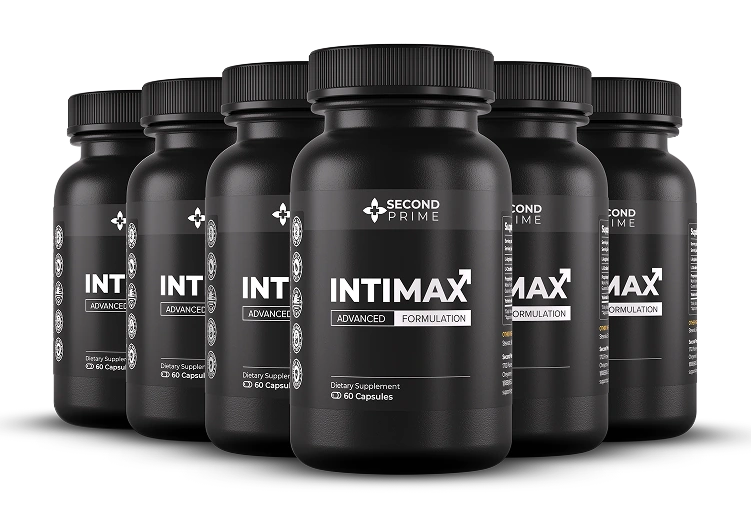
Testosterone vs nitric oxide, in one quotable paragraph.
- Short version
- Testosterone is a hormone that governs long-term drive, muscle and energy, while nitric oxide is a signalling molecule that relaxes and widens blood vessels for healthy circulation right now. Testosterone boosters aim at hormonal signalling and have weak, inconsistent evidence in healthy men; nitric-oxide nutrients such as L-arginine and L-citrulline — the amino acids in Intimax — act more directly on blood flow and stamina.
- Testosterone — a hormone; slow, systemic, best confirmed by a blood test.
- Nitric oxide — a circulation signal; fast, local, made from arginine and dietary nitrates.
- Boosters — over-the-counter testosterone claims are largely unproven in healthy men.
- Intimax — a nitric-oxide, circulation-focused formula; it does not claim to raise testosterone.
What is testosterone, and what does it actually do?
Testosterone is the primary male sex hormone, produced mostly in the testes and circulating through the body to influence how you feel and function over the long term. It plays a role in libido, muscle mass, bone density, mood and baseline energy. Because it is a hormone, its effects are systemic and gradual — they build over weeks and months, not minutes. Levels peak in early adulthood and decline slowly with age, typically by around one percent per year after the thirties. A review in Expert Review of Endocrinology & Metabolism sets out the lifestyle, metabolic and medical causes behind adverse changes in men’s testosterone levels (Wrzosek et al., 2020).
When is low testosterone a real concern?
Genuinely low testosterone, or clinical hypogonadism, is a medical diagnosis confirmed by a blood test and evaluated by a doctor — not something a supplement label can determine. That distinction matters, because much of the “low-T” marketing aimed at healthy men blurs the line between normal age-related change and an actual deficiency.
What is nitric oxide, and why does it matter for men?
Nitric oxide is a short-lived signalling molecule that tells the smooth muscle lining your blood vessels to relax, allowing the vessels to widen in a process called vasodilation. When vessels open more easily, blood — carrying oxygen and nutrients — reaches working tissue more efficiently. This is the biology behind healthy circulation, and it works on a timescale of minutes to hours rather than months. The body makes nitric oxide from the amino acid L-arginine, and a second pathway converts dietary nitrates from vegetables toward the same end. Readers weighing this up usually find our guide to the science of nitric oxide a useful next step.
How is it different from a hormone?
Nitric-oxide output tends to decline with age as blood vessels lose some flexibility, which is part of why circulation-focused nutrition and movement matter more over time. Unlike testosterone, nitric oxide is not a hormone and needs no blood panel to be relevant — it is a moment-to-moment part of how your cardiovascular system behaves.
Testosterone booster vs blood flow support: how do they differ?
The core difference between a testosterone booster and blood-flow support is the target: one tries to influence a hormone, the other supports circulation. A testosterone-support product typically leans on ingredients studied for hormonal signalling — zinc, vitamin D, ashwagandha or fenugreek — with a slow, systemic aim. A nitric-oxide product leans on arginine, citrulline and nitrate-rich botanicals, targeting the vascular system that governs blood flow. The table below lays the two side by side. In a double-blind, randomised, placebo-controlled crossover study of 20 healthy volunteers, oral L-citrulline raised plasma L-arginine dose-dependently and more effectively than L-arginine itself, though no arm improved flow-mediated dilation over baseline that week (Schwedhelm et al., Br J Clin Pharmacol, 2008).
| Feature | Testosterone support | Nitric-oxide support |
|---|---|---|
| What it targets | A hormone (signalling) | Blood-vessel dilation (circulation) |
| Timescale | Weeks to months | Minutes to hours |
| Typical ingredients | Zinc, vitamin D, ashwagandha, fenugreek | L-arginine, L-citrulline, dietary nitrates |
| How you confirm need | Blood test with a doctor | No test needed; general circulation support |
| Strength of OTC evidence | Weak & inconsistent in healthy men | Moderate for citrulline on blood flow markers |
| Intimax category | Not a testosterone booster | Circulation / nitric-oxide focused |
Neither approach is a magic switch, and neither replaces the fundamentals. But if your goal is stamina and blood flow rather than a diagnosed hormone problem, the circulation route is the more direct match — which is exactly the lane Intimax is built for.
Do testosterone boosters help stamina?
The honest answer is that over-the-counter testosterone boosters have weak and inconsistent evidence for raising testosterone in healthy men. Many products point to small or short studies, or to ingredients that only help when a specific deficiency exists — zinc and vitamin D, for example, matter most when you are low in them. For the average man with normal, age-appropriate levels, the stamina payoff from a booster is usually modest at best.
What does the evidence actually favour?
Where the evidence is comparatively stronger is the circulation side. L-citrulline has a reasonable body of research for supporting nitric-oxide markers and blood flow, which is why we treat circulation — not hormones — as the more reliable lever for everyday stamina. Being candid about weak evidence is more useful than overselling. For the deeper nutrient story, see our companion guides on L-arginine and L-citrulline for men and how to support testosterone naturally.
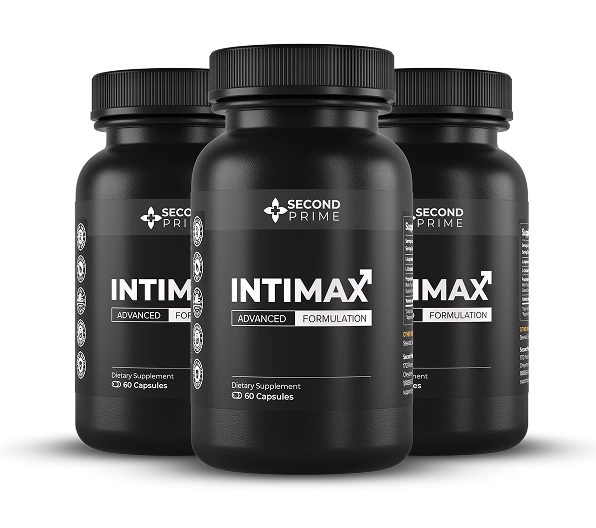
See the exact dose in Intimax
Rather than chase hormone claims, Intimax puts the nitric-oxide amino acids L-arginine (as AAKG) and L-citrulline front and centre, with traditional botanicals alongside. Check the full label and today’s pricing.
Check today’s Intimax pricing →Where does Intimax fit — hormone or circulation?
Intimax is unambiguously a circulation-focused, nitric-oxide-supporting formula, not a testosterone booster. It is built around L-arginine (as AAKG) and L-citrulline — the amino acids the body uses to make nitric oxide — and layers in botanicals long used in men’s traditions: maca, muira puama, catuaba, maritime pine bark, ginger and guarana. Nowhere does it claim to raise testosterone, because that is not what the formula is designed to do. Its purpose is to support healthy blood flow, stamina and everyday vitality alongside diet and exercise.
That focus is deliberate. Circulation is where the ingredient evidence is more supportive, where the effect is more direct, and where you do not need a blood test to justify general support. If you want to understand the individual botanicals, the overview of maca, muira puama and catuaba for male vitality is a good next read.

Can you support both testosterone and nitric oxide together?
Yes — and the reassuring part is that the foundations overlap heavily. Healthy testosterone and healthy nitric-oxide production both respond to the same core habits, so you are rarely forced to choose. Strength training, quality sleep, a whole-food diet, a healthy body-fat range and managing stress support hormonal balance, while movement, nitrate-rich vegetables and arginine-containing foods support circulation. A nitric-oxide formula like Intimax layers onto those habits rather than competing with them. An umbrella review of systematic reviews and meta-analyses in Endocrine Practice examined how weight loss and weight-loss interventions change sex hormones (Nayak et al., 2026).
| Habit | Supports testosterone | Supports nitric oxide |
|---|---|---|
| Resistance training | Yes | Indirectly (vascular fitness) |
| Aerobic exercise | Indirectly | Yes |
| Quality sleep (7–9 h) | Yes | Yes |
| Nitrate-rich vegetables | Neutral | Yes |
| Healthy body-fat range | Yes | Yes |
| Managing alcohol & stress | Yes | Yes |
In other words, hormone vs circulation support is not an either/or at the lifestyle level — the same routine feeds both. The supplement question is simply which lever to add on top, and for stamina and blood flow, the nitric-oxide lever is the more evidence-aligned choice.
Which should you choose for your goal?
Choose based on the outcome you actually want, not the louder marketing. If your goal is circulation and stamina — steadier energy, healthy blood flow, everyday vitality — a nitric-oxide approach is the more direct fit and needs no blood test to be sensible. If you suspect a genuine hormone problem — persistent low libido, fatigue, mood or muscle changes — that is a conversation with your doctor, who can confirm it with a test. A shelf-bought booster is neither a diagnosis nor a treatment.
For most men, the honest recommendation is simple: get the fundamentals right first, keep testosterone in mind as a medical matter if symptoms suggest it, and reach for circulation support as the everyday add-on — the role Intimax is designed to play.
Putting it together
Testosterone vs nitric oxide is less a rivalry than a division of labour: one is a slow hormonal signal best confirmed by a blood test, the other a fast circulation signal you can support through food, movement and nitric-oxide nutrients. Testosterone boosters over-promise in healthy men; circulation support has more reliable footing for stamina and blood flow. Intimax sits firmly on the circulation side of that line, pairing L-arginine and L-citrulline with traditional botanicals to support everyday vitality — no hormone claims, no shortcuts.
Results vary with age, health and consistency, and no supplement replaces good habits. If you take medication — especially nitrates or blood-pressure medication — talk with your doctor before adding anything new.
Frequently asked questions
What is the difference between testosterone and nitric oxide?
Testosterone is a hormone that shapes drive, muscle, mood and energy over the long term, while nitric oxide is a short-lived signalling molecule that tells blood vessels to relax and widen so blood flows more freely. One is about hormonal signalling; the other is about circulation in the moment.
Do testosterone boosters help stamina?
Testosterone-support ingredients may help energy and drive indirectly if a man’s levels are genuinely low, but the evidence for over-the-counter boosters raising testosterone in healthy men is weak and inconsistent. Nitric-oxide nutrients act on circulation, which is more directly tied to stamina and blood flow.
Is Intimax a testosterone booster or a nitric-oxide supplement?
Intimax is a circulation-focused, nitric-oxide-supporting formula. It is built around L-arginine (as AAKG) and L-citrulline plus traditional botanicals, and it does not claim to raise testosterone. Its goal is to support healthy blood flow, stamina and everyday vitality.
Can you support testosterone and nitric oxide at the same time?
Yes. The same foundations — strength training, quality sleep, a whole-food diet and managing body fat — support healthy testosterone, while movement and nitrate-rich foods support nitric oxide. A nitric-oxide formula like Intimax layers onto those habits without competing with them.
Which should I choose for blood flow support?
If your goal is circulation and stamina, a nitric-oxide approach is the more direct match, because nitric oxide governs how easily blood vessels relax and widen. Testosterone support is aimed at hormonal signalling and is most relevant when levels are clinically low, which a doctor confirms with a blood test.
Is Intimax a treatment for low testosterone or erectile dysfunction?
No. Intimax is a dietary supplement intended to support healthy circulation, stamina and everyday vitality. It is not a drug, does not diagnose or treat low testosterone, and is not intended to diagnose, treat, cure or prevent any medical condition.
References
- Wrzosek M, Woźniak J, et al. The causes of adverse changes of testosterone levels in men. Expert Rev Endocrinol Metab. 2020;15(5):355–362. PMID 33076711
- Nayak SS, Partheepan K, et al. The effect of weight loss and weight loss interventions on sex hormones: an umbrella review of systematic reviews and meta-analyses. Endocr Pract. 2026. PMID 41167564
- Schwedhelm E, Maas R, Freese R, et al. Pharmacokinetic and pharmacodynamic properties of oral L-citrulline and L-arginine: impact on nitric oxide metabolism. Br J Clin Pharmacol. 2008;65(1):51–59. PMID 17662090
- Examine.com. L-Citrulline — evidence-based summary. examine.com/supplements/citrulline
- Examine.com. Testosterone — evidence and common myths. examine.com/topics/testosterone
- National Center for Complementary and Integrative Health (NCCIH). Ashwagandha. nccih.nih.gov/health/ashwagandha
- Mayo Clinic. Testosterone therapy: Potential benefits and risks as you age. mayoclinic.org
- Allerton TD, Proctor DN, Stephens JM, et al. l-Citrulline supplementation: impact on cardiometabolic health. Nutrients. 2018;10(7). Allerton et al., Nutrients, 2018
This article is for general education and is not medical advice. Intimax is a dietary supplement and is not intended to diagnose, treat, cure or prevent any disease. Statements have not been evaluated by the Food and Drug Administration. Consult a qualified healthcare professional about your individual needs.