L-arginine vs L-citrulline: how Intimax compares the two nitric-oxide amino acids
L-arginine and L-citrulline are the two amino acids most closely tied to nitric oxide, the molecule that signals blood vessels to relax and widen. They are often mentioned in the same breath, but they behave differently in the body: one acts directly and clears fast, the other is absorbed more reliably and lasts longer. This guide compares them head-to-head on absorption, duration and dose — and explains why Intimax pairs both rather than picking a side.
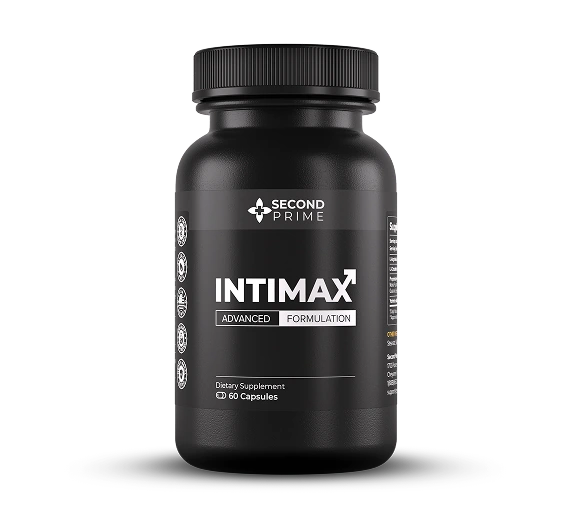
L-arginine vs L-citrulline, in one quotable paragraph.
- Short version
- L-arginine and L-citrulline both feed the nitric-oxide pathway, but not in the same way. L-arginine is the direct precursor the body turns into nitric oxide, yet much of an oral dose is broken down before it reaches wide circulation. L-citrulline is absorbed more efficiently and then converted into arginine in the kidneys, giving a steadier, longer-lasting rise in blood arginine. Neither is a cure, human evidence is mixed, and the practical answer for most circulation formulas — Intimax included — is to use both.
- L-arginine: the direct nitric-oxide precursor; acts quickly but is absorbed inefficiently at higher doses.
- L-citrulline: converts to arginine in the body; better absorbed and longer lasting.
- For circulation: citrulline tends to raise blood arginine more reliably, but arginine adds an early, direct lift.
- In Intimax: both are used together, alongside botanicals, rather than choosing one.
Why compare L-arginine and L-citrulline at all?
L-arginine and L-citrulline are compared because they are two entry points to the same destination: nitric oxide. Nitric oxide is a short-lived signalling molecule made in the lining of your blood vessels, and it tells the smooth muscle in vessel walls to relax so that blood can flow more freely — a process called vasodilation. Both amino acids feed that pathway, which is why circulation, stamina and sports-nutrition products so often list one, the other, or both. In a double-blind, randomised, placebo-controlled crossover study of 20 healthy volunteers, oral L-citrulline raised plasma L-arginine dose-dependently and more effectively than L-arginine itself, though no arm improved flow-mediated dilation over baseline that week (Schwedhelm et al., Br J Clin Pharmacol, 2008).
The reason the comparison matters is that they are not interchangeable. They differ in how well the gut absorbs them, how much survives the liver, how quickly blood levels rise and fall, and how much you need to take. Understanding those differences is the difference between reading a label with confidence and simply trusting the marketing. If you want the broader picture of how both fit a daily routine, our companion piece on L-arginine and L-citrulline for men is a good next stop.
What is L-arginine and how does it work?
L-arginine is a semi-essential amino acid and the direct raw material your body converts into nitric oxide. Your cells use an enzyme called nitric oxide synthase to turn arginine into nitric oxide on demand, which makes arginine the most obvious ingredient to add if the goal is to support the pathway. You also get it from food — nuts, seeds, poultry, fish and legumes are all good sources — and the body can make some of its own.
How well is L-arginine absorbed?
Here is the catch that drives the whole comparison. A large share of oral L-arginine never reaches your wider circulation. An enzyme called arginase, active in the gut wall and liver, breaks arginine down during what scientists call first-pass metabolism. The result is that swallowing more arginine does not raise blood arginine as much as you might expect, and very high doses can cause digestive upset before they cause anything else. Arginine works, but its delivery is inefficient — which is precisely the problem citrulline helps solve.
What is L-citrulline and why is it different?
L-citrulline is an amino acid that the body converts back into L-arginine, which makes it an indirect — and surprisingly effective — way to raise arginine levels. Its name comes from Citrullus, the watermelon genus, because watermelon is one of the richest food sources. Rather than being consumed by arginase in the gut and liver, citrulline slips past much of that first-pass breakdown, travels to the kidneys, and is converted into arginine there.
Does citrulline last longer than arginine?
Yes, in practice it does. Because citrulline is converted to arginine gradually and downstream of the enzyme that would otherwise destroy it, oral citrulline tends to raise and hold blood arginine more reliably than the same dose of arginine itself. Studies have repeatedly shown citrulline producing a higher, steadier plasma-arginine curve. Where arginine spikes and fades, citrulline offers a slower build and a longer tail — a genuinely useful contrast.
Arginine or citrulline — which is better for blood flow?
For blood flow specifically, the reliability of citrulline gives it an edge, but the honest answer is that they complement each other rather than compete. Citrulline raises circulating arginine more dependably, which is the metric most tied to nitric-oxide production over time. Arginine, meanwhile, contributes a more immediate, direct supply. The table below lays the two side by side on the points that actually matter when you read a label.
| Property | L-arginine | L-citrulline |
|---|---|---|
| Role in the pathway | Direct nitric-oxide precursor | Converts to arginine, then to nitric oxide |
| Oral absorption | Inefficient (broken down by arginase) | More efficient (bypasses first-pass breakdown) |
| Effect on blood arginine | Modest, variable | Higher and more reliable |
| Onset vs duration | Faster onset, shorter duration | Slower build, longer lasting |
| Common food sources | Nuts, seeds, poultry, legumes | Watermelon, cucumber, gourds |
Notice there is no row that reads “cures” or “guarantees.” Human evidence for both amino acids is mixed and dose-dependent, and much of the strongest research sits in exercise-performance settings rather than everyday use. Treat any single-ingredient promise with scepticism, and read the comparison as a guide to how each behaves, not a claim about outcomes. A review of the human literature in the Journal of Strength and Conditioning Research gathered the citrulline supplementation trials in exercise performance and set out how uneven the results across them still are (Gonzalez & Trexler, 2020).
How do absorption and duration actually differ?
The core difference between the two is bioavailability: how much of what you swallow reaches your bloodstream and how long it stays elevated. This is the single most important idea in the whole L-arginine vs L-citrulline debate, and it is why formulators increasingly favour citrulline — or the pair — over arginine alone. The following table translates the science into the practical terms that decide how a formula is built.
| Factor | What it means | Practical upshot |
|---|---|---|
| First-pass metabolism | Breakdown in gut & liver before circulation | Hits arginine hard; citrulline mostly avoids it |
| Bioavailability | Share of the dose that reaches the blood | Citrulline delivers arginine more efficiently |
| Blood-level curve | How fast levels rise and how long they hold | Arginine: quick spike; citrulline: steady tail |
| Typical dose feel | Amount needed for a measurable rise | Citrulline is effective at lower relative doses |
| Tolerance | Digestive comfort at higher amounts | Citrulline is often gentler on the gut |
Put simply: arginine is the destination, citrulline is often the smarter route to it, and combining them covers both an early lift and a longer, steadier supply. That combined logic is exactly what sits behind a formula like Intimax.
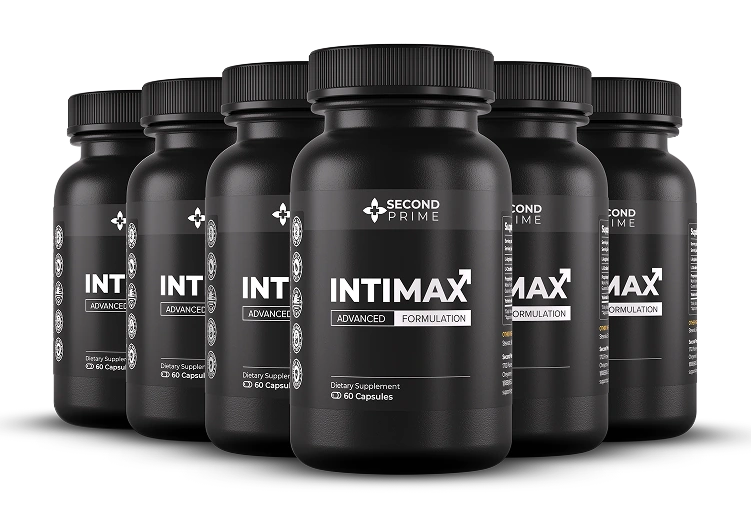
See the exact dose in Intimax
Instead of choosing between the two amino acids, Intimax pairs L-arginine (as AAKG) with L-citrulline and traditional botanicals in a two-capsule daily serving. The exact figures are printed on the current supplement facts panel.
Check today’s Intimax pricing →Which amino acid should you choose for circulation?
If you had to pick just one amino acid for everyday circulation support, most current thinking would lean toward L-citrulline for its more reliable effect on blood arginine — but “just one” is rarely the best framing. Your choice depends on context: athletes chasing an acute pre-workout effect sometimes still favour arginine or citrulline malate, while people focused on steady, everyday support tend to do better with citrulline or a combination.
When might arginine still make sense?
Arginine can make sense when a direct, familiar precursor is wanted, when cost is a factor, or when it is delivered in a well-tolerated bonded form such as AAKG. Our guide to what AAKG is and why Intimax uses it explains that particular form in detail. The key is dose and tolerance: pushing arginine higher to overcome its absorption ceiling often brings diminishing returns and digestive complaints.
When does citrulline win?
Citrulline tends to win for consistency, gut comfort and duration — the qualities that matter for a supplement taken daily rather than before a single session. For a wider look at building circulation and stamina through habits as well as nutrients, see how to support healthy blood flow and stamina naturally.

Why does Intimax pair both L-arginine and L-citrulline?
Intimax uses both amino acids because the comparison is not really a contest — it is a case for teamwork. Intimax supplies its L-arginine as AAKG (arginine alpha-ketoglutarate) for stability and tolerance, and adds L-citrulline to raise blood arginine more reliably and hold it longer. Arginine offers the direct, early contribution; citrulline provides the steadier, downstream supply. Together they aim to cover the whole curve rather than half of it.
Around that amino-acid core, Intimax layers traditional botanicals long associated with male stamina — maca, muira puama, catuaba, maritime pine bark, ginger and guarana. None of it is a magic switch, and the label makes no promise to treat any condition. It is a complement to diet, movement and sleep. If you would like to see how the two amino acids are dosed together, you can check today’s Intimax pricing and details here.

How should you take arginine and citrulline?
The practical rules for taking either amino acid are simple: be consistent, take a real dose, and give it weeks rather than days. Because these nutrients support a pathway over time, a modest daily amount taken reliably tends to matter more than an occasional large one. Take Intimax as directed — two capsules a day with water, ideally at the same time each day — alongside a balanced, plant-rich diet.
Whatever product you choose, the number that matters is the one printed on its supplement facts panel, not the headline on the label. If you take medication — especially nitrates or blood-pressure medication — have had a heart attack, or manage a medical condition, talk with your doctor before adding any arginine or citrulline product. Both are dietary-supplement ingredients, not drugs, and individual results vary with age, health and consistency. A systematic review and meta-analysis of randomised controlled trials in Clinical Nutrition ESPEN asked whether L-citrulline supplementation and watermelon intake lower blood pressure in middle-aged and older adults (Luo et al., 2025).
Frequently asked questions
Is L-arginine or L-citrulline better for blood flow?
Neither is universally better; they feed the same nitric-oxide pathway from different points. L-citrulline tends to raise blood arginine levels more reliably because more of it survives first-pass metabolism in the gut and liver, while L-arginine acts more directly but is absorbed less efficiently at higher doses. Many circulation formulas, including Intimax, use both rather than choosing one.
Which amino acid is absorbed better, arginine or citrulline?
L-citrulline is generally absorbed and retained more efficiently. A large share of oral L-arginine is broken down by an enzyme in the gut and liver before it reaches wider circulation, whereas L-citrulline bypasses much of that breakdown and is then converted to arginine in the kidneys, producing a steadier rise in blood arginine.
Does L-citrulline last longer than L-arginine?
In practice, yes. L-arginine tends to spike and clear relatively quickly, while L-citrulline produces a slower, more sustained increase in circulating arginine. That longer, gentler curve is one reason formulators pair the two, aiming for both an early lift and a steadier tail.
Can I take L-arginine and L-citrulline together?
Yes, and combining them is common. Because they enter the nitric-oxide pathway from different angles, taking them together can provide arginine directly while also topping up the body’s own arginine supply through citrulline. Intimax uses this pairing rather than relying on either amino acid alone.
Which amino acid does Intimax use for circulation?
Intimax uses both. It supplies L-arginine in the AAKG (alpha-ketoglutarate) form together with L-citrulline, alongside traditional botanicals such as maca, muira puama and maritime pine bark. The exact amounts are printed on the current supplement facts panel.
Is L-arginine or L-citrulline a treatment for erectile dysfunction?
No. Neither amino acid is a drug, and Intimax is a dietary supplement, not a treatment. They are studied for their role in the body’s nitric-oxide pathway and general circulation, and are not intended to diagnose, treat, cure or prevent any medical condition. Talk with your doctor if you take nitrates or blood-pressure medication.
References
- Schwedhelm E, Maas R, Freese R, et al. Pharmacokinetic and pharmacodynamic properties of oral L-citrulline and L-arginine: impact on nitric oxide metabolism. Br J Clin Pharmacol. 2008;65(1):51–59. PMID 17662090
- Gonzalez AM, Trexler ET. Effects of citrulline supplementation on exercise performance in humans: a review of the current literature. J Strength Cond Res. 2020;34(5):1480–1495. PMID 31977835
- Luo P, Chen J, et al. Does l-citrulline supplementation and watermelon intake reduce blood pressure in middle-aged and older adults? A systematic review and meta-analysis of randomized controlled trials. Clin Nutr ESPEN. 2025. PMID 40789388
- Examine.com. L-Citrulline — evidence-based summary. examine.com/supplements/citrulline
- Examine.com. L-Arginine — evidence-based summary. examine.com/supplements/arginine
- Sureda A, Pons A. Arginine and citrulline supplementation in sports and exercise: ergogenic nutrients? Med Sport Sci. 2012;59:18–28. Sureda & Pons, Med Sport Sci, 2012
- Mayo Clinic. L-arginine — drugs and supplements. mayoclinic.org/drugs-supplements-l-arginine
- NIH Office of Dietary Supplements. Dietary supplement fact sheets. ods.od.nih.gov/factsheets
This article is for general education and is not medical advice. Intimax is a dietary supplement and is not intended to diagnose, treat, cure or prevent any disease. Statements have not been evaluated by the Food and Drug Administration. Consult a qualified healthcare professional about your individual needs.