What AAKG L-Arginine Alpha-Ketoglutarate Is and Why Intimax Uses It
If you have scanned a circulation supplement label and seen “L-arginine (as AAKG),” you have met one of the most common delivery forms of a familiar amino acid. AAKG is arginine alpha-ketoglutarate — the same L-arginine your body turns into nitric oxide, paired with a molecule from its energy cycle. This guide explains what AAKG is, why blood-flow formulas favour it, what the evidence honestly shows, and where it sits in Intimax.
What AAKG is, in one quotable paragraph.
- Short version
- AAKG (arginine alpha-ketoglutarate) is the amino acid L-arginine bound to alpha-ketoglutarate. It supplies arginine, the raw material the body uses to make nitric oxide — the molecule that signals blood vessels to relax and widen. Formulas like Intimax favour AAKG for stability and mouthfeel, and pair it with L-citrulline. Evidence for arginine supplements is mixed, so treat it as one supporting input.
- What it stands for: arginine alpha-ketoglutarate — L-arginine plus an energy-cycle molecule.
- What it does: supplies arginine, a precursor for nitric-oxide production and healthy vasodilation.
- Why formulators pick it: stability, taste and a smoother feel versus arginine hydrochloride.
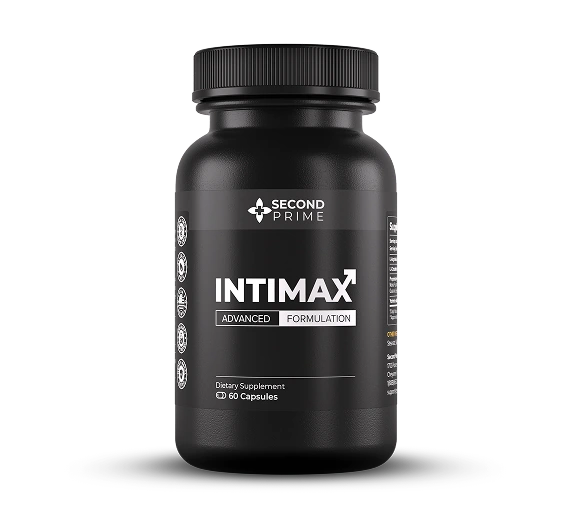
- In Intimax: it is the L-arginine source, teamed with L-citrulline and traditional botanicals.
What does AAKG actually stand for?
AAKG stands for arginine alpha-ketoglutarate: the amino acid L-arginine chemically bound to alpha-ketoglutarate. Alpha-ketoglutarate (AKG) is not exotic — it is a natural intermediate in the Krebs cycle, the pathway your cells use to turn food into energy. Pairing arginine with it yields a stable, palatable salt that carries L-arginine into your supplement and your bloodstream. The key point: the “active” part is the arginine; the alpha-ketoglutarate is only the carrier. One randomised trial in the Journal of the International Society of Sports Nutrition reported that acute L-arginine alpha-ketoglutarate supplementation failed to improve muscular performance in either resistance-trained or untrained men (Wax et al., 2012).
Arginine is sold in several forms. The oldest and cheapest is L-arginine hydrochloride (arginine HCl). AAKG and other bonded forms arrived later, partly to solve the bitter taste of the HCl form in powders. In a capsule the practical differences narrow, but manufacturers still often reach for AAKG.
Why do circulation formulas favour AAKG over plain L-arginine?
Circulation formulas favour AAKG mainly for formulation reasons — taste, stability and blendability — not a proven metabolic edge. In a powdered mix, arginine HCl can taste harsh and turn cloudy; AAKG blends more cleanly, which makes it a default on many labels.
Is AAKG absorbed better than arginine HCl?
Here the honest answer is that the evidence is thin. Marketing sometimes implies AAKG is dramatically better absorbed, but well-controlled human studies comparing it with arginine HCl are limited. The oral bioavailability of L-arginine in any form is complicated by the gut and liver, which break down a meaningful share before it reaches the wider circulation. So while AAKG is a reasonable source, claims that the pairing unlocks superior results deserve scepticism.
So why not just use more arginine?
Because absorption is the bottleneck, many modern circulation formulas — Intimax included — do not rely on arginine alone. They pair it with L-citrulline, which the body converts back into arginine and which tends to raise blood arginine more reliably than oral arginine itself. The two feed the same nitric-oxide pathway from different entry points, which is why they are often listed together. In a double-blind, randomised, placebo-controlled crossover study of 20 healthy volunteers, oral L-citrulline raised plasma L-arginine dose-dependently and more effectively than L-arginine itself, though no arm improved flow-mediated dilation over baseline that week (Schwedhelm et al., Br J Clin Pharmacol, 2008).
| Form | What it is | Why it is used | Watch-outs |
|---|---|---|---|
| L-arginine HCl | Arginine + hydrochloride | Cheapest, well studied | Bitter, harsh in powders |
| AAKG | Arginine + alpha-ketoglutarate | Stable, smoother taste | Absorption edge unproven |
| L-citrulline | Precursor that converts to arginine | Raises blood arginine reliably | Needs adequate dose |
| Citrulline malate | Citrulline + malic acid | Popular in sports formulas | Dose often overstated on labels |
What does arginine alpha-ketoglutarate do for blood flow?
Arginine alpha-ketoglutarate supports blood flow by supplying L-arginine, the direct precursor the body converts into nitric oxide. Nitric oxide is a short-lived signalling molecule made in the lining of your blood vessels; when released, it tells vessel walls to relax and widen — a process called vasodilation. Wider, more responsive vessels carry oxygen and nutrients more freely to working tissue, which is the logic behind putting arginine in a circulation formula. A systematic review and meta-analysis in Nitric Oxide reassessed what oral L-arginine does to blood pressure using ambulatory monitoring rather than clinic readings (Shi et al., 2026).
That said, having the raw material is only part of the picture. The enzyme that builds nitric oxide, its cofactors and your vessel health all shape how much you actually make. So an arginine supplement is best framed as topping up one input, not flipping a switch — which is why the everyday habits in our guide on supporting healthy blood flow and stamina naturally matter at least as much as any single ingredient.
What does the evidence actually say?
The evidence for arginine supplements is genuinely mixed, and any honest ingredient page should say so. L-arginine's role as a nitric-oxide precursor is well established in physiology, but when researchers test the supplements in people, results vary widely by dose, population and outcome. Some studies show measurable changes in vascular markers; others show little effect, partly because of the absorption limits above. The biology is solid, but the clinical picture is unsettled.
| Claim | Evidence strength | Honest read |
|---|---|---|
| Arginine is a nitric-oxide precursor | Strong (physiology) | Well established at the biochemical level |
| Oral arginine reliably raises blood arginine | Weak / inconsistent | Limited by gut and liver breakdown |
| AAKG beats arginine HCl for results | Very limited | Few good head-to-head human trials |
| Citrulline raises arginine more than arginine | Moderate | Supported by several studies |
| AAKG treats any medical condition | None | Not a drug; no such claim is valid |
The takeaway: AAKG is a legitimate, food-derived amino acid with a plausible mechanism, but not a miracle molecule. Judge a formula on its ingredient panel and dosing — not a buzzword.
See the exact AAKG dose in Intimax
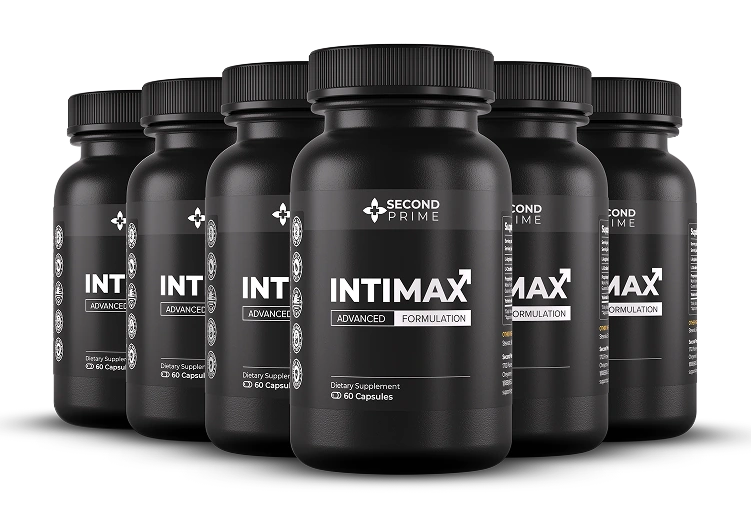
Intimax supplies its L-arginine as AAKG, teamed with L-citrulline and a botanical blend in a two-capsule daily serving. The 6-bottle bundle is the best value, with free U.S. shipping and a 90-day money-back guarantee.
Check today’s Intimax pricing →How does AAKG fit into Intimax?
In Intimax, AAKG is the source of L-arginine, working as one part of a broader nitric-oxide and vitality blend rather than a standalone hero. It supplies L-arginine (as AAKG) and L-citrulline to feed the nitric-oxide pathway from two directions, then layers in botanicals long associated with male stamina — maca, muira puama, catuaba, maritime pine bark, ginger and guarana. Read the full breakdown in our Intimax review and the companion piece on L-arginine and L-citrulline for men.
The logic behind pairing rather than mega-dosing is simple: because oral arginine faces absorption limits, adding citrulline keeps blood arginine steadier than piling in more AAKG, while the botanicals address vitality from angles arginine does not touch. It is a complement to diet and exercise, not a substitute, and makes no claim to treat any condition.

How much AAKG should you take, and when?
There is no single official AAKG dose, so the right amount depends on the product. Standalone arginine studies have used a wide range, often several grams a day, but higher intakes more often cause digestive upset and are not automatically better given the absorption ceiling. In a capsule, the useful question is how arginine and citrulline are dosed together, and whether you take it consistently.
| Practical question | Sensible approach |
|---|---|
| How much? | Follow the label; the panel on the current Intimax bottle lists the exact amount |
| When? | A consistent daily time matters more than a “magic” window |
| With food? | With water; a light meal is fine and may ease any stomach sensitivity |
| How long? | Give consistent use several weeks; individual results vary |
Whatever you choose, the figure that matters is the one on the supplement facts panel. To see how Intimax doses its AAKG and citrulline, check today’s Intimax pricing and details here.
Who should be cautious with AAKG?
AAKG is generally well tolerated by healthy adults, but it is not right for everyone. Because arginine influences the nitric-oxide pathway and can affect blood pressure, it may interact with certain medications. The clearest caution is around nitrates and blood-pressure medication, and anyone who has had a heart attack should be especially careful, as arginine has been studied unfavourably in that setting. Some people also notice mild digestive symptoms at higher doses.
If you are managing a chronic condition or taking prescription medicine, treat any arginine product — AAKG included — as something to clear with your healthcare provider first. A supplement should slot into an informed routine, not run ahead of one. Our guide on traditional botanicals for male vitality rounds out the picture.

The bottom line on AAKG
AAKG is a food-derived, well-tolerated form of L-arginine that supplies the raw material for nitric oxide, which is why circulation formulas — Intimax among them — keep reaching for it. Its advantages over plain arginine are mostly practical: stability, taste and blendability. The smart way to use it is exactly how Intimax positions it: one supporting input, paired with citrulline and botanicals, on top of movement, whole foods and sleep. If that fits your routine, you can see the exact dose in Intimax and today’s pricing here.
Frequently asked questions
What is AAKG?
AAKG stands for arginine alpha-ketoglutarate. It is the amino acid L-arginine bound to alpha-ketoglutarate, a molecule from the body's energy cycle. It is one of the delivery forms used to supply L-arginine, the raw material the body uses to make nitric oxide.
How is AAKG different from plain L-arginine?
Chemically, AAKG pairs the same L-arginine with alpha-ketoglutarate rather than with hydrochloride. Formulators often choose AAKG for taste, stability and a smoother mouthfeel in powders and capsules. The arginine that reaches the bloodstream is the same amino acid; the pairing changes the salt, not the active molecule.
What are the benefits of arginine alpha-ketoglutarate for blood flow?
L-arginine is a precursor the body converts to nitric oxide, a signalling molecule that helps blood vessels relax and widen. By supplying arginine, AAKG supports this nitric-oxide pathway. Human evidence for arginine supplements is mixed, so AAKG is best viewed as one supporting input alongside diet and exercise, not a guaranteed effect.
Is AAKG better than L-citrulline?
They work on the same pathway from different angles. Some research suggests L-citrulline raises blood arginine levels more reliably than oral arginine because more of it survives first-pass metabolism. Many circulation formulas, including Intimax, pair arginine with citrulline rather than choosing one over the other.
How much AAKG is in Intimax and how do I take it?
Intimax delivers its L-arginine as AAKG alongside L-citrulline and a botanical blend in a two-capsule daily serving. The exact amount is printed on the current supplement facts panel. Take it consistently with water, ideally at the same time each day, alongside a balanced diet.
Is AAKG safe?
Arginine forms are generally well tolerated by healthy adults at typical supplement doses, though some people notice mild digestive upset. If you take nitrates or blood-pressure medication, have had a heart attack, or manage a medical condition, talk with your doctor before using any arginine product. AAKG is a dietary supplement, not a drug.
References
- Wax B, Kavazis AN, Webb HE, Brown SP. Acute L-arginine alpha ketoglutarate supplementation fails to improve muscular performance in resistance trained and untrained men. J Int Soc Sports Nutr. 2012;9(1):17. PMID 22510253
- Schwedhelm E, Maas R, Freese R, et al. Pharmacokinetic and pharmacodynamic properties of oral L-citrulline and L-arginine: impact on nitric oxide metabolism. Br J Clin Pharmacol. 2008;65(1):51–59. PMID 17662090
- Shi Y, Liu Y, et al. Reassessment of the effect of oral l-arginine on blood pressure: a systematic review and meta-analysis based on ambulatory blood pressure monitoring. Nitric Oxide. 2026. PMID 42520885
- Examine.com. L-Arginine. examine.com/supplements/arginine
- Examine.com. L-Citrulline. examine.com/supplements/citrulline
- Willoughby DS, Boucher T, Reid J, et al. Effects of 7 days of arginine-alpha-ketoglutarate supplementation on blood flow, plasma L-arginine, nitric oxide metabolites, and asymmetric dimethyl arginine after resistance exercise. Int J Sport Nutr Exerc Metab. 2011;21(4):291–299. Willoughby et al., Int J Sport Nutr Exerc Metab, 2011
- NCCIH. Dietary and Herbal Supplements. nccih.nih.gov
- MedlinePlus, NLM. L-arginine. medlineplus.gov
This article is for general education and is not medical advice. Intimax is a dietary supplement and is not intended to diagnose, treat, cure or prevent any disease. Statements have not been evaluated by the Food and Drug Administration. Consult a qualified healthcare professional about your individual needs.